The traditions we carry forward.
In Yorkín, traditional knowledge is part of everyday life. This page follows three of the traditions that visitors meet here: cacao and the chocolate made from it, the river that leads to the village, and the skills that are still learned and shared by hand.1
The Story of Cacao
From the forest to the hands that prepare it.
For generations, cacao has been an important part of Bribri life, connecting the community with the land, traditional knowledge and everyday customs.
In Yorkín, cacao grows in the tropical landscape surrounding the village. Its journey from fruit to chocolate brings together agricultural knowledge and preparation methods passed down through generations.
Visitors can discover this process alongside members of the community and experience the rich flavor of traditionally prepared chocolate.
From cacao to chocolate
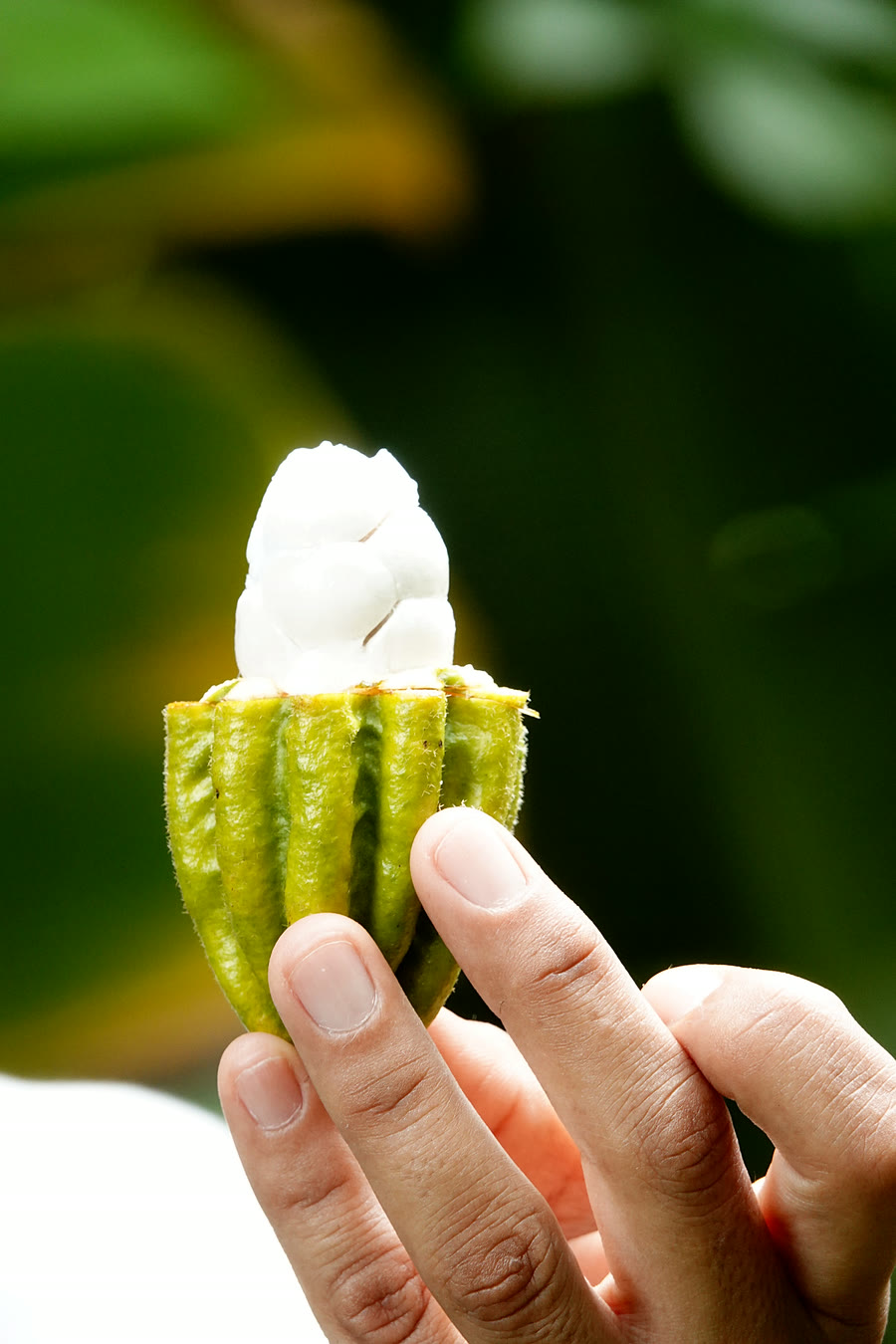
The process begins with cacao pods growing on trees. Inside each pod are seeds surrounded by soft pulp.
After harvesting, the beans are prepared through several stages, including fermentation, drying and roasting3, before being ground and transformed into chocolate.
The preparation is more than a demonstration of how chocolate is made. It is an opportunity to learn directly from the people who continue to preserve this knowledge.
-
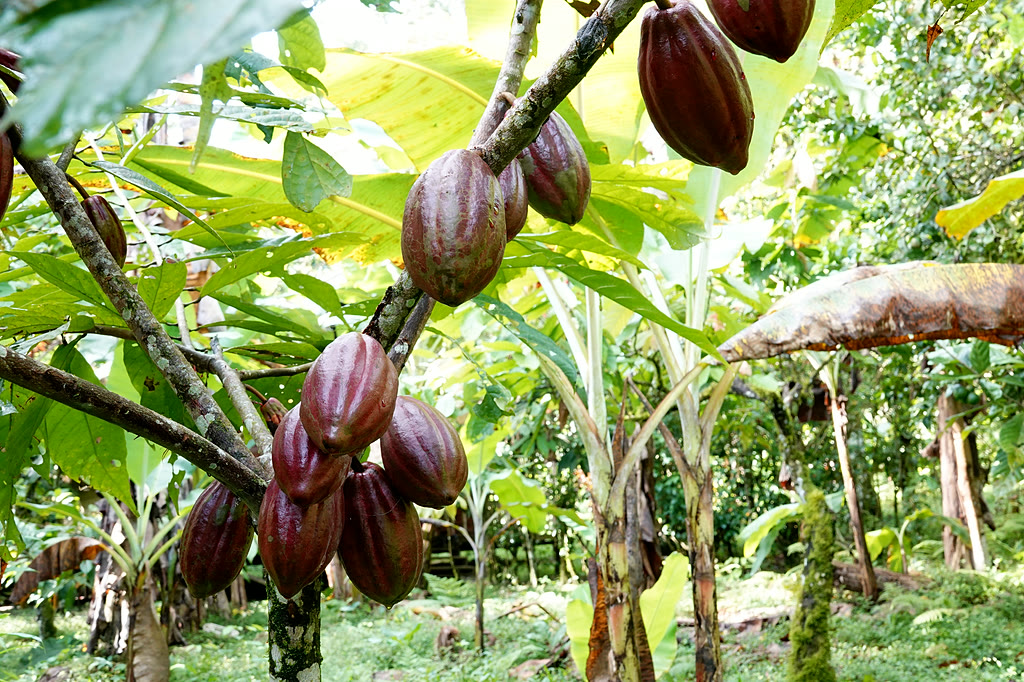
On the treeRipe cacao pods on a tree, among banana plants · Photo: credit to confirm8 -
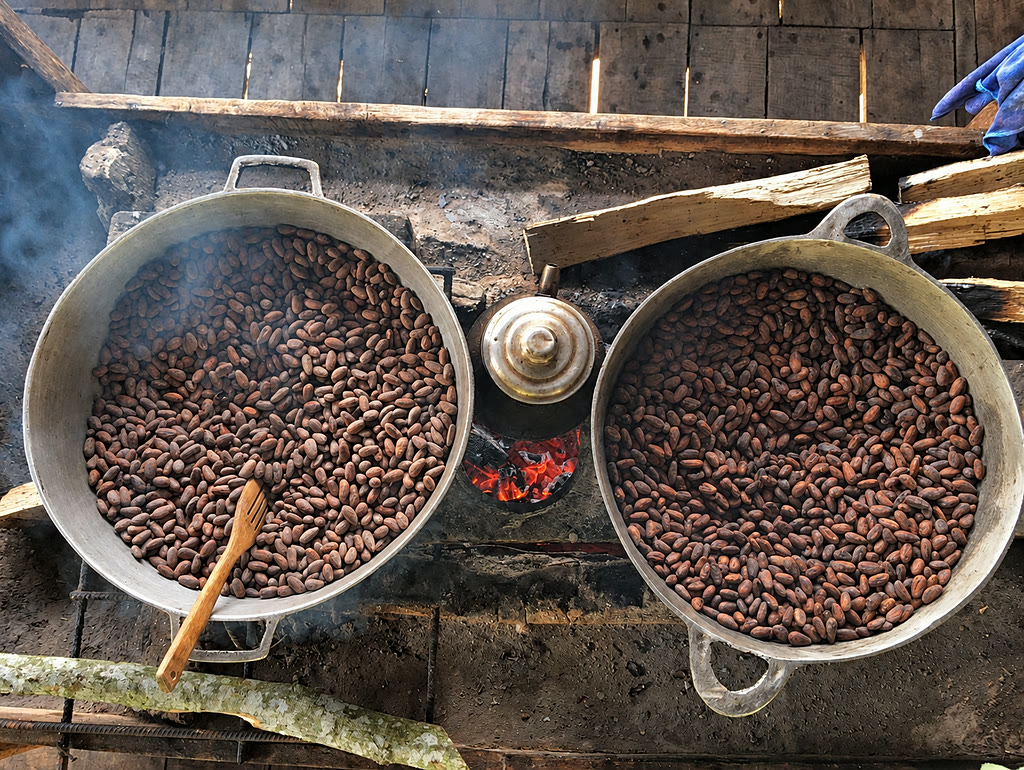
RoastingCacao beans roasting in two pots over a wood fire · Photo: Cortesía Stibrawpa -
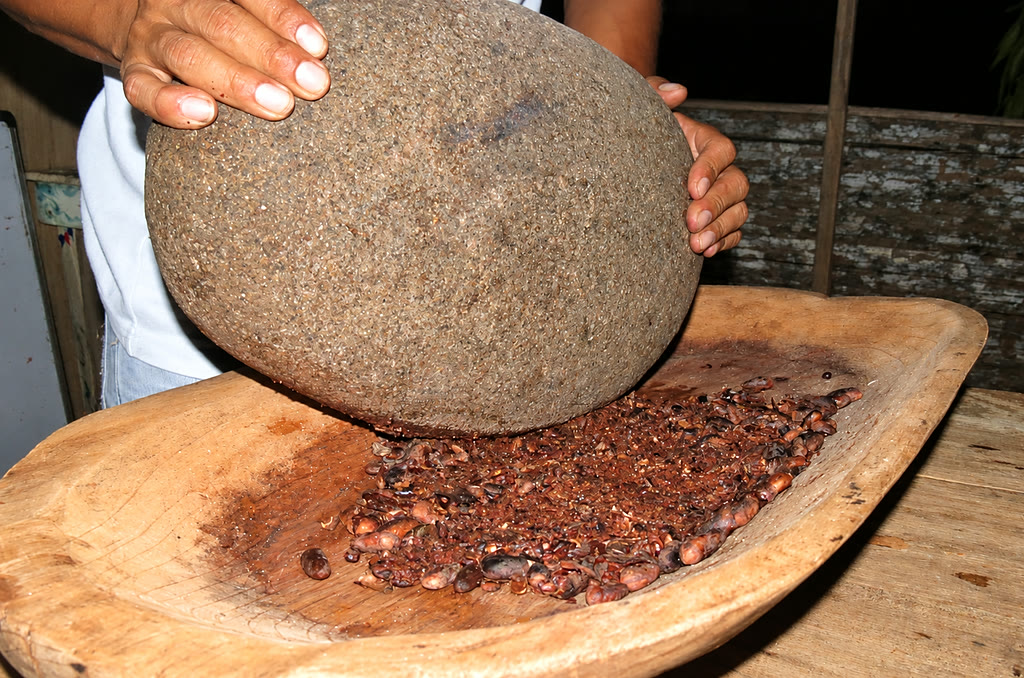
Grinding by handGrinding cacao with a stone on a carved wooden board · Photo: Natalia López -
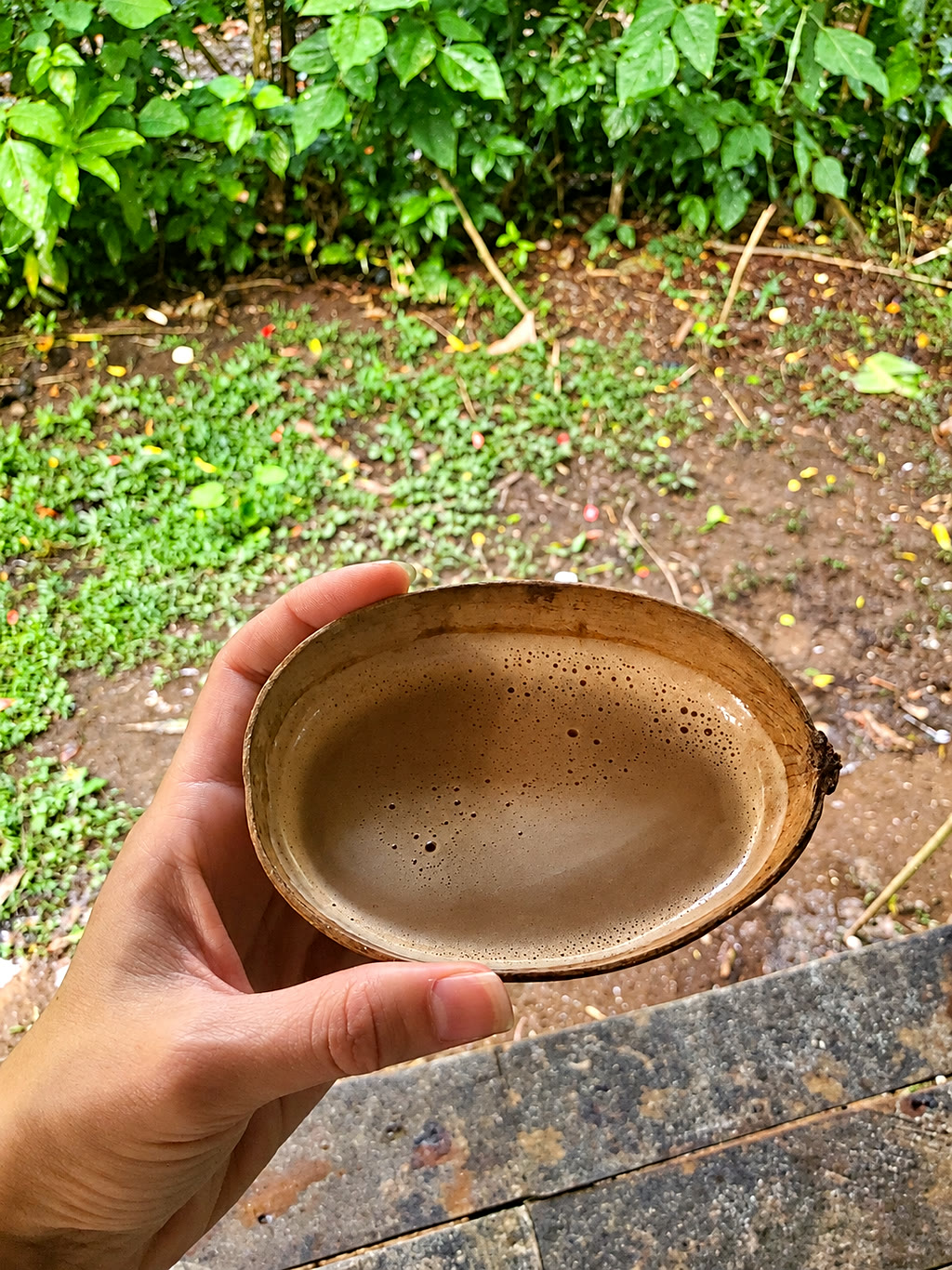
In a calabashBribri chocolate served in a calabash shell9 · Photo: Cortesía Stibrawpa
Knowledge passed between generations
Cacao also holds cultural significance in Bribri traditions. Its preparation has long been connected to knowledge shared within families and the wider community.2
Through these experiences, visitors can discover how something familiar around the world — chocolate — is connected to a much deeper local history.
Life Along the River
The journey is part of the story.
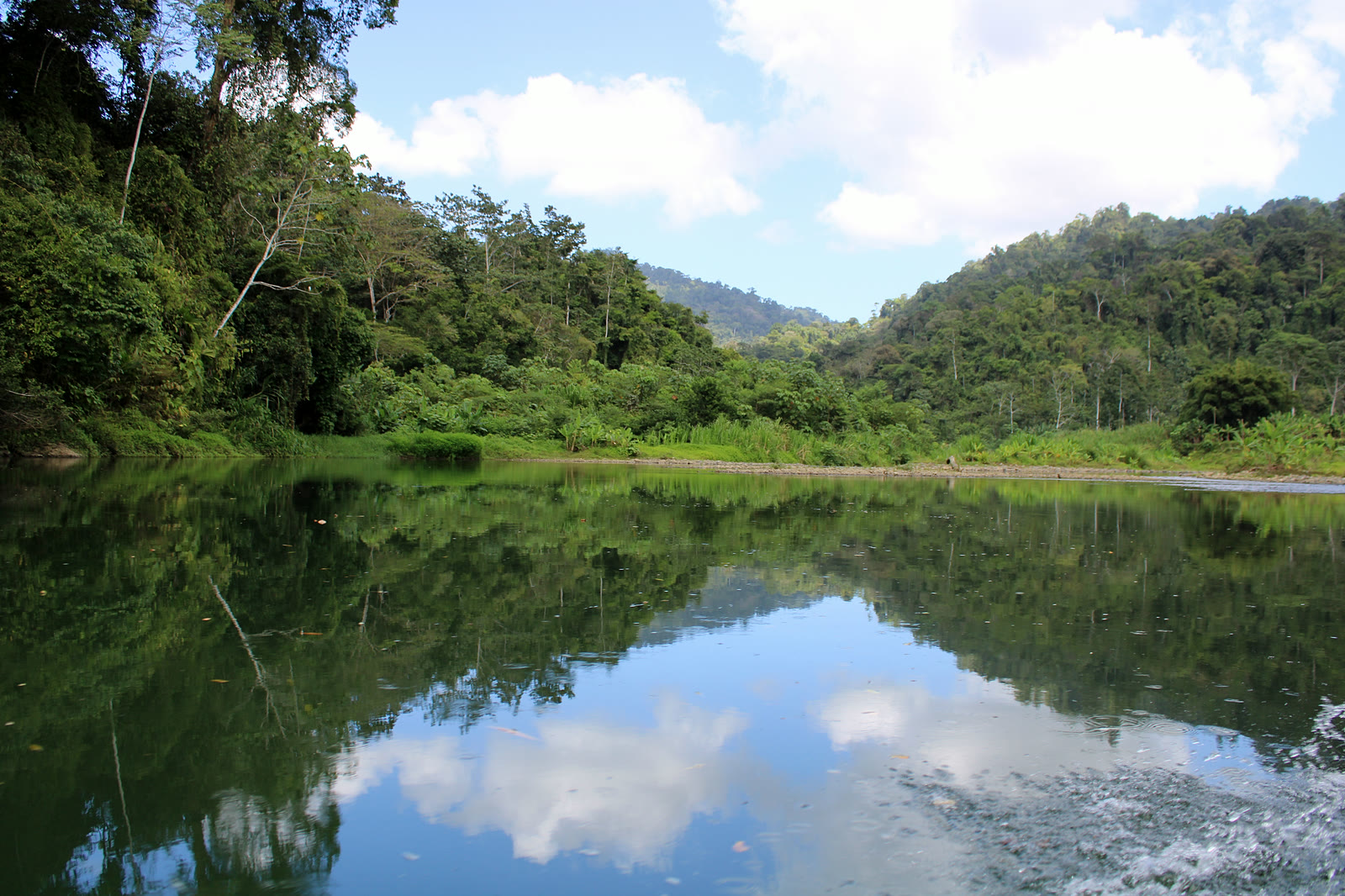
Reaching Yorkín is an experience of its own.
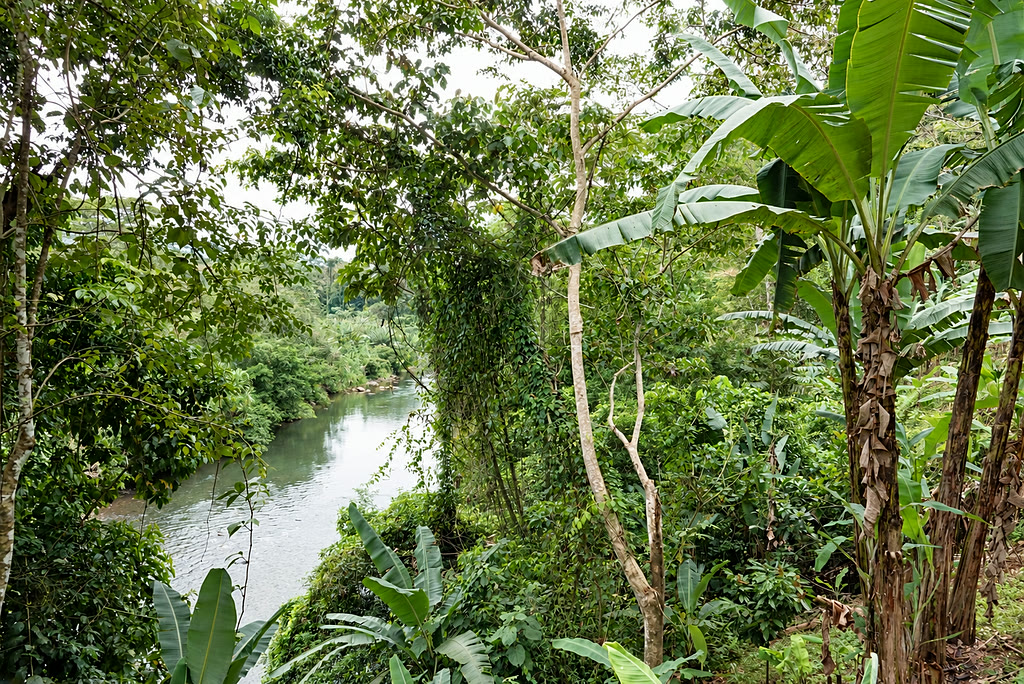
The village lies within the Bribri Indigenous Territory in Costa Rica’s Talamanca region, surrounded by rainforest and waterways.
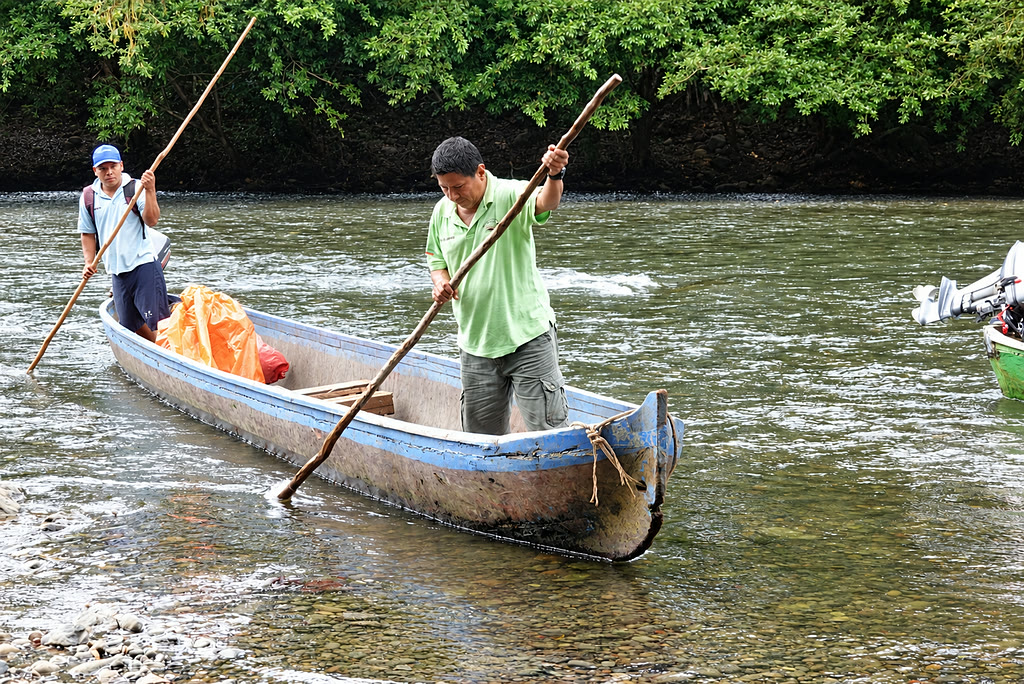
For many visitors, the journey begins in Bambú, where local boat operators guide traditional canoes upriver4 toward the community.
A river that connects
As the canoe travels along the Yorkín River, the surrounding landscape changes. Tropical vegetation grows along the banks, and the river winds between forest-covered hills.
The journey introduces visitors to the environment that shapes daily life in this part of Talamanca.
The river is more than a scenic route. It is an important connection between Yorkín and neighboring communities.
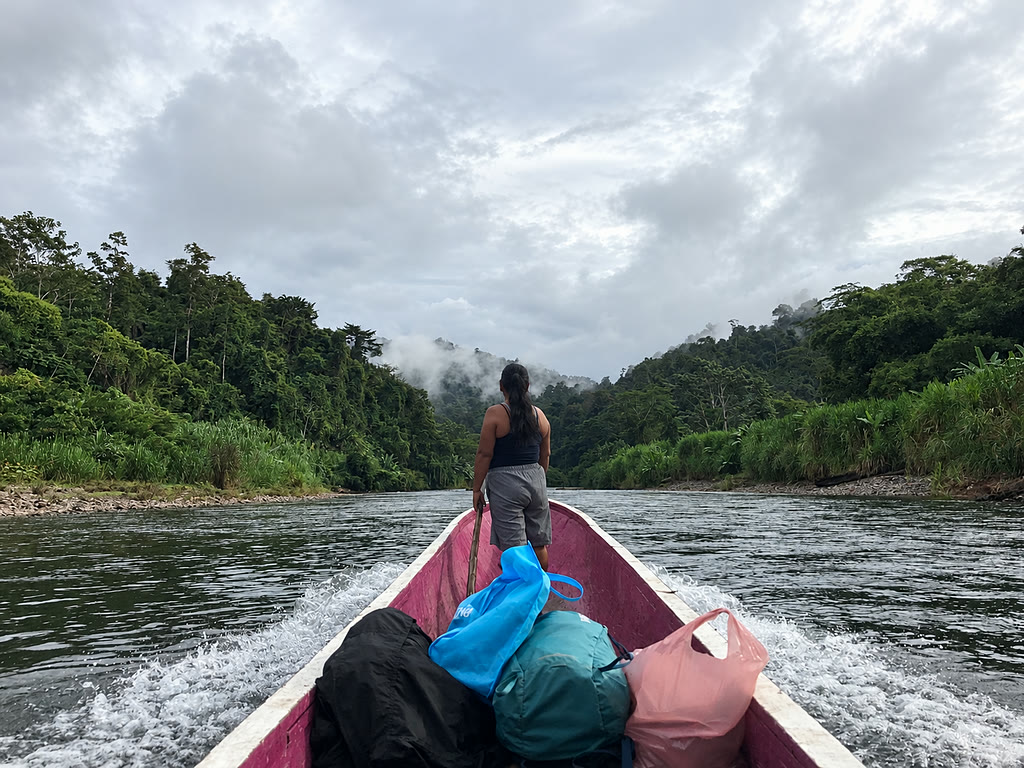
Arriving in Yorkín
On reaching the village, visitors continue their experience on foot, discovering houses, gardens, cultivated plants and the surrounding landscape.
The river journey creates a natural transition from the outside world to the daily life of the community.
Knowledge Shared by Hand
Skills learned through generations.
Traditional knowledge is part of everyday life in Yorkín.
Across generations, community members have learned to work with materials found in their surroundings, developing practical skills connected to shelter, tools, crafts and daily activities.
These traditions remain meaningful because they continue to be practiced and shared.
Working with natural materials
One of the skills introduced during visits to Stibrawpa is the weaving of palm leaves used in traditional roofing.
The process demonstrates how local materials can be transformed into functional building elements through knowledge and careful handwork.
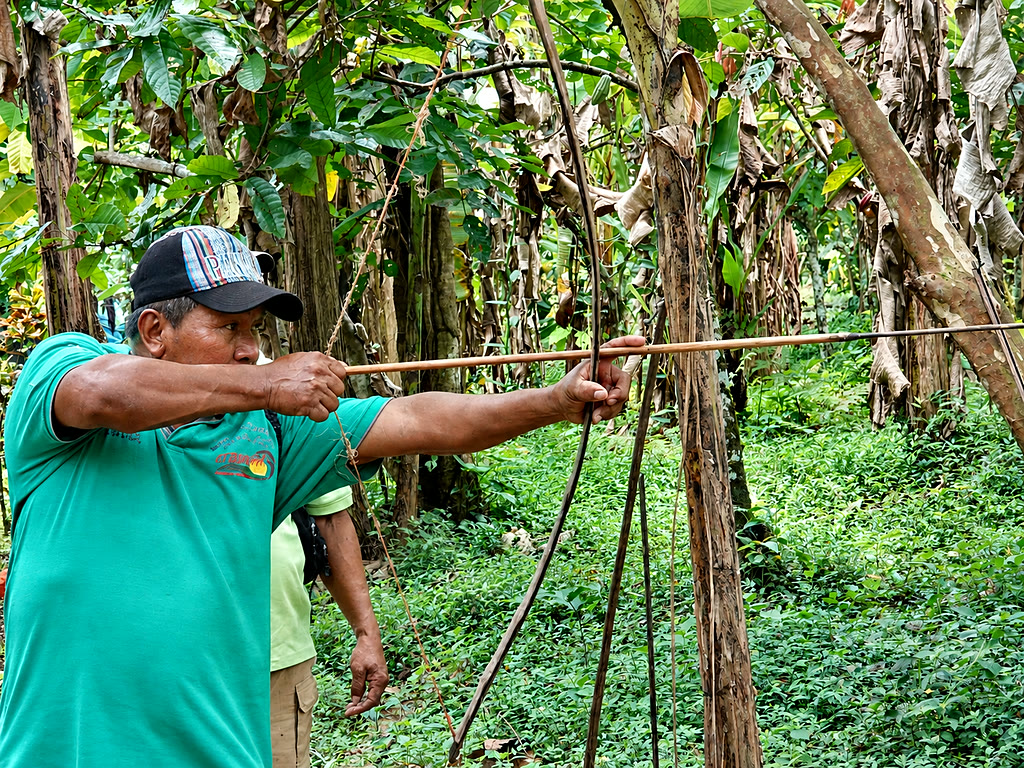
Visitors may also learn about the traditional use of bows and arrows and the skills associated with their construction5 and handling.
Natural materials, worked by hand
More than objects
Crafts and traditional techniques tell stories about the relationship between people, materials and place.
Learning about these practices directly from community members helps visitors understand their importance beyond the finished objects.
Through teaching, demonstration and everyday practice, knowledge continues to move from one generation to the next.6
Living knowledge, shared with care.
The knowledge on this page continues because the people of Yorkín keep practising it and sharing it. A visit to Stibrawpa is a chance to learn about it from them directly.1