Three women. One extraordinary beginning.
In the rainforest of Costa Rica’s Talamanca region, a group of Bribri women came together with a simple but powerful idea: to create new opportunities for their families without leaving their community or losing the traditions that connected them to their land.
What began as a small initiative grew into Stibrawpa — an association bringing together community livelihoods, cultural knowledge, environmental stewardship and the people of Yorkín.
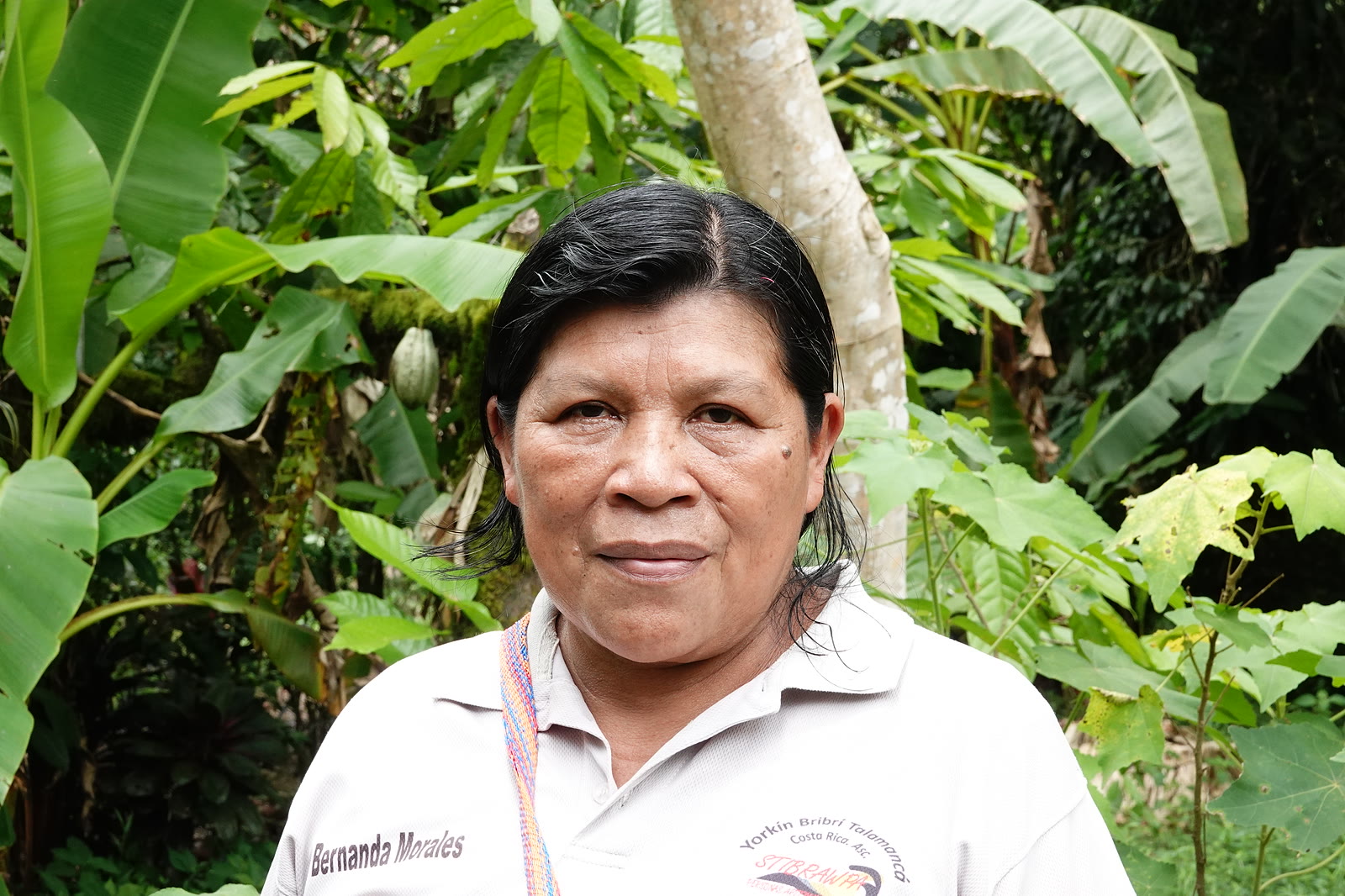
When cacao could no longer sustain families
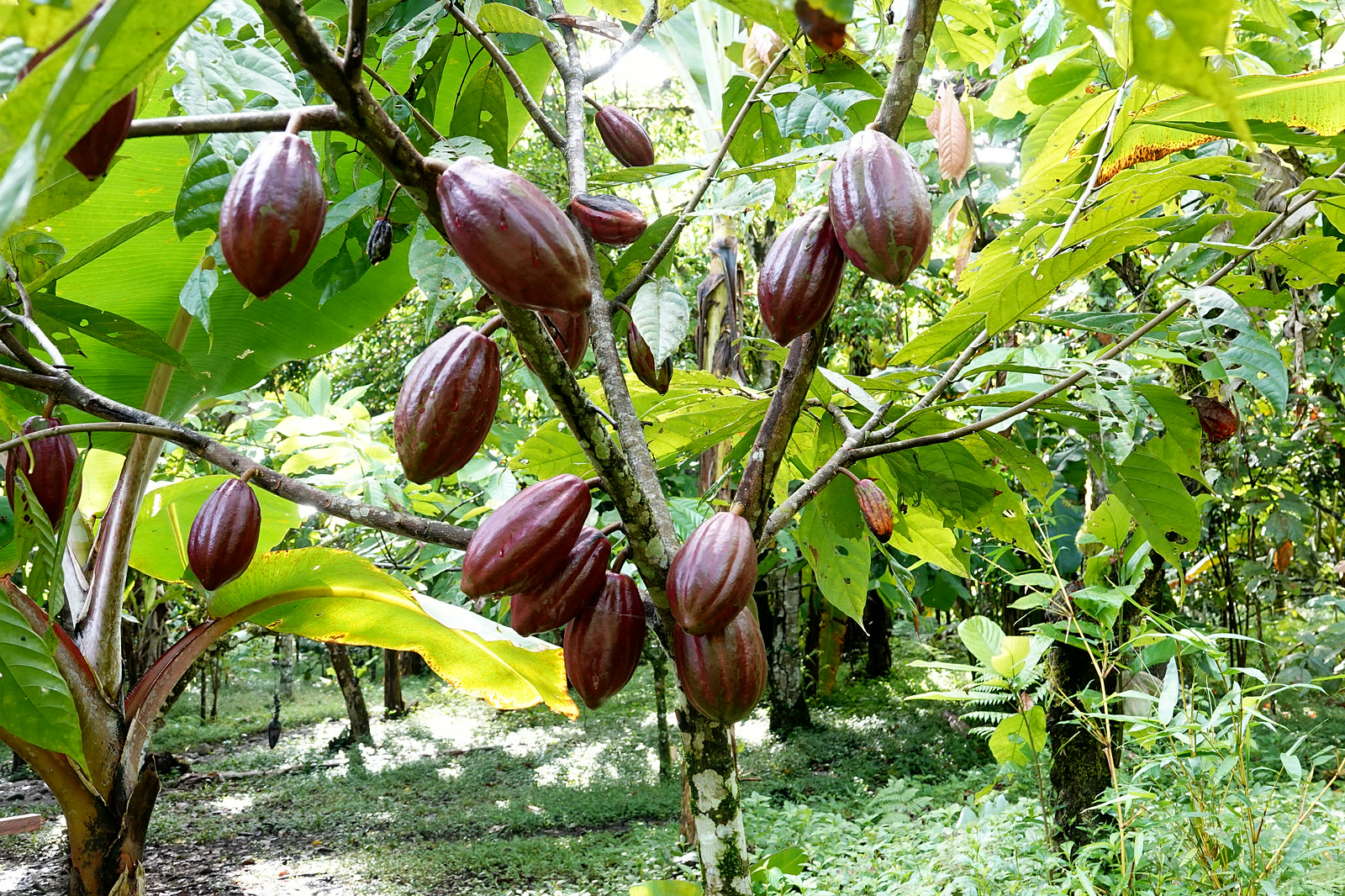
For generations, cacao had played an important role in the lives and livelihoods of Bribri families.
But a devastating crop disease transformed the local economy. By the 1980s, families in Yorkín faced growing financial uncertainty as cacao production declined.
Many men sought employment outside the village, including work on large banana plantations. At the same time, community members were concerned about the future of their language and traditional knowledge.
A different path was needed — one that could create opportunities within Yorkín itself.
“My generation lost our language and traditions, and has been struggling to recover them.”
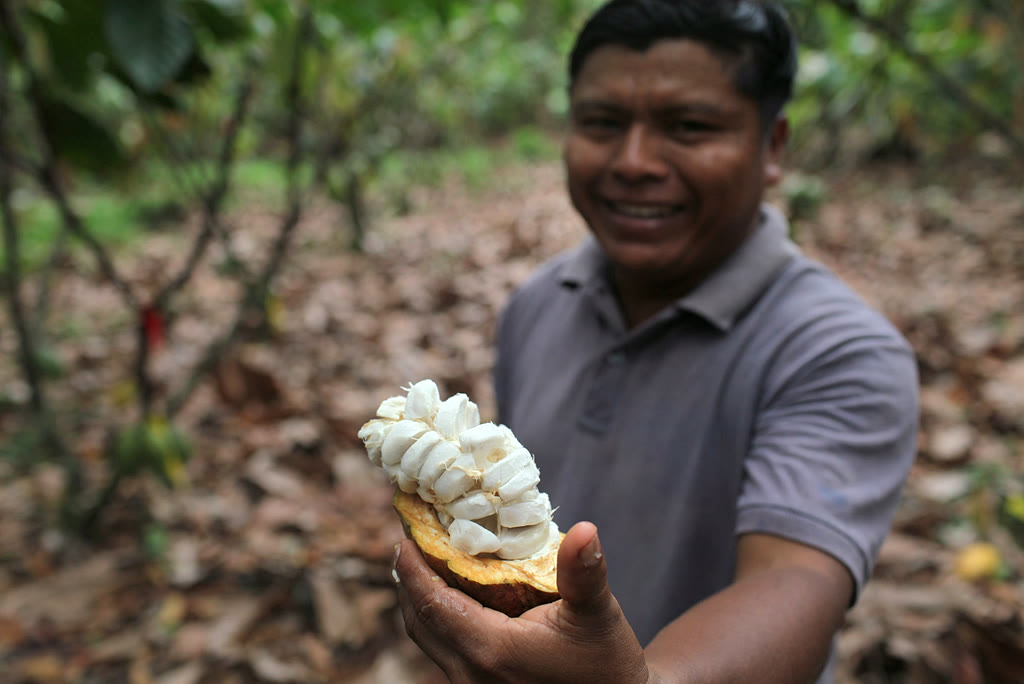
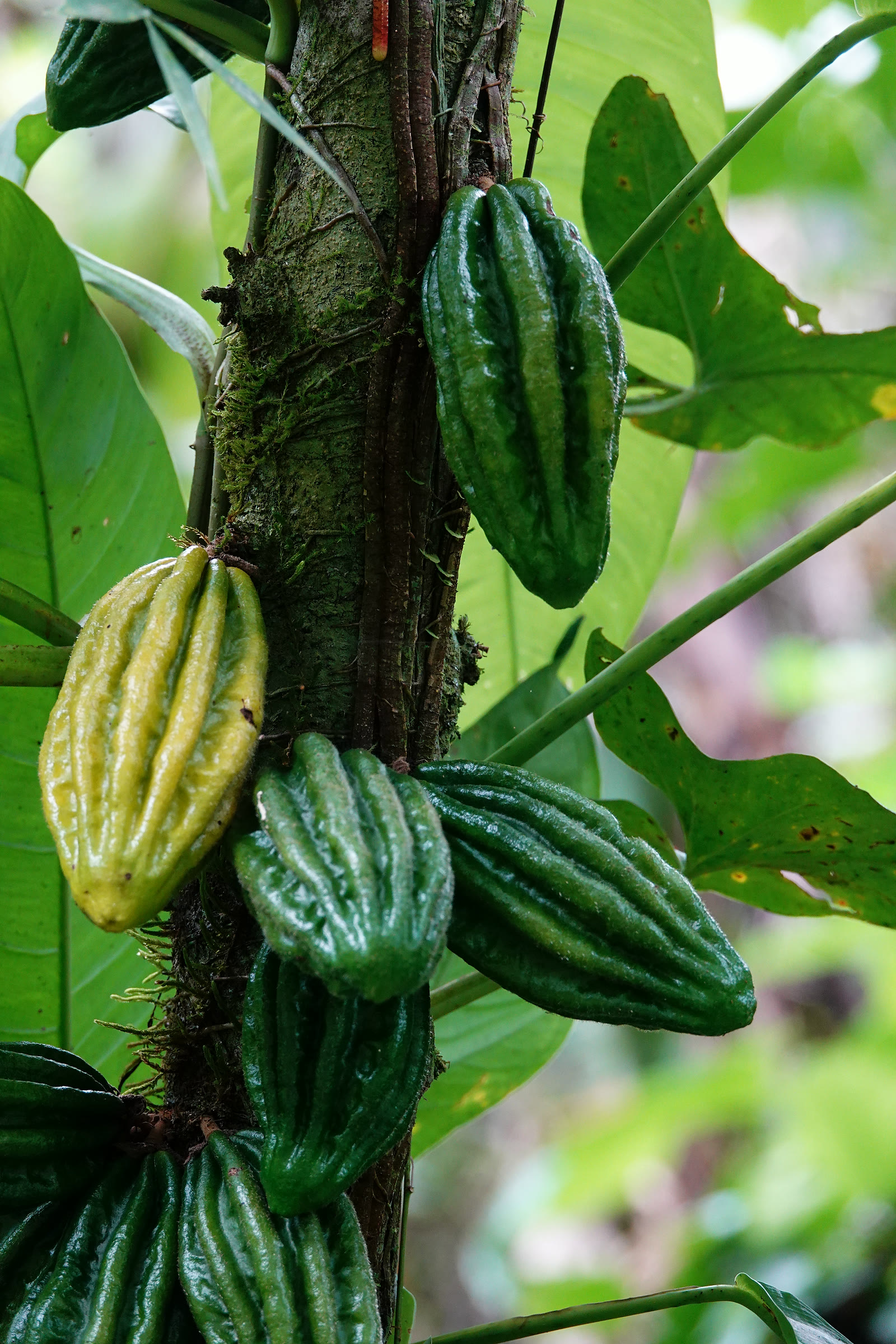
Cacao and the forest
The courage to begin
On July 5, 1992, according to Stibrawpa’s own historical account, three women from Yorkín founded the association.
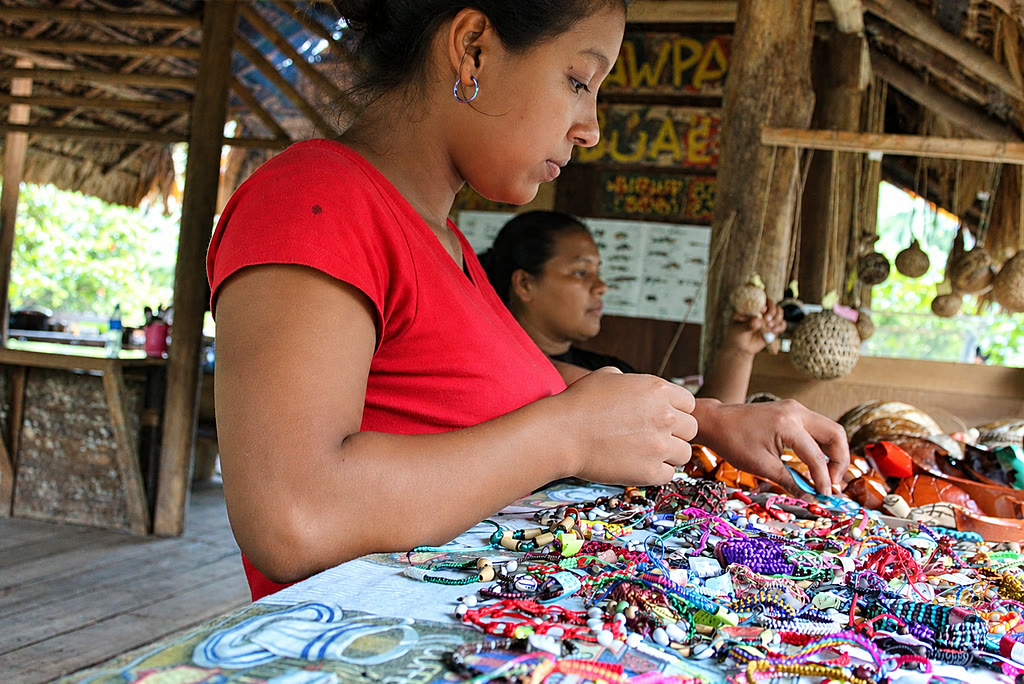
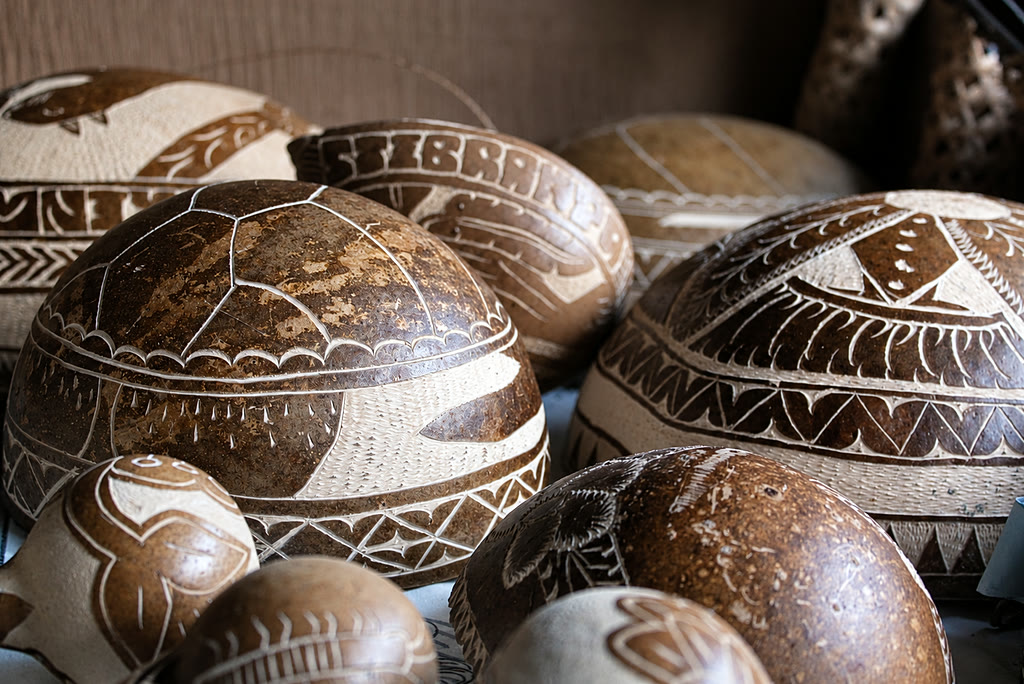
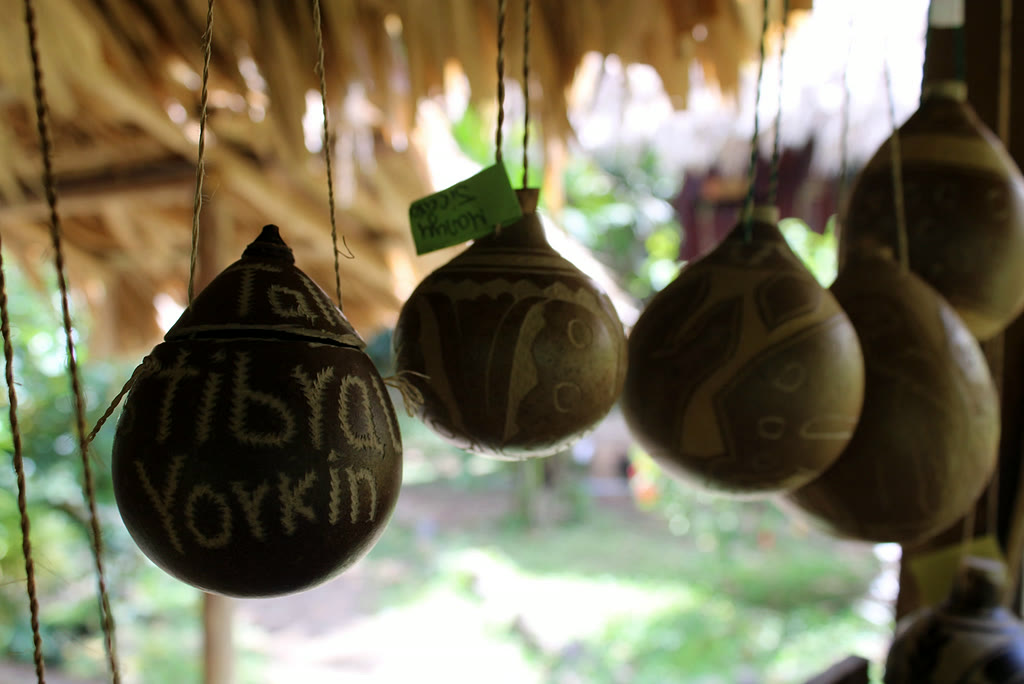
Their first approach was to produce and sell traditional handicrafts in coastal towns such as Puerto Viejo and Cahuita.
But transporting and3 selling the crafts was difficult, and the returns were limited.
The women began considering another possibility: rather than taking their work outside the community, they could welcome visitors into Yorkín.
Through these encounters, visitors could learn directly from local people, experience Bribri culture and support community livelihoods.
“We wanted to create a local source of income for them to stay here with their families, and live a healthier lifestyle.”
Crafts and the first visits
Building something together
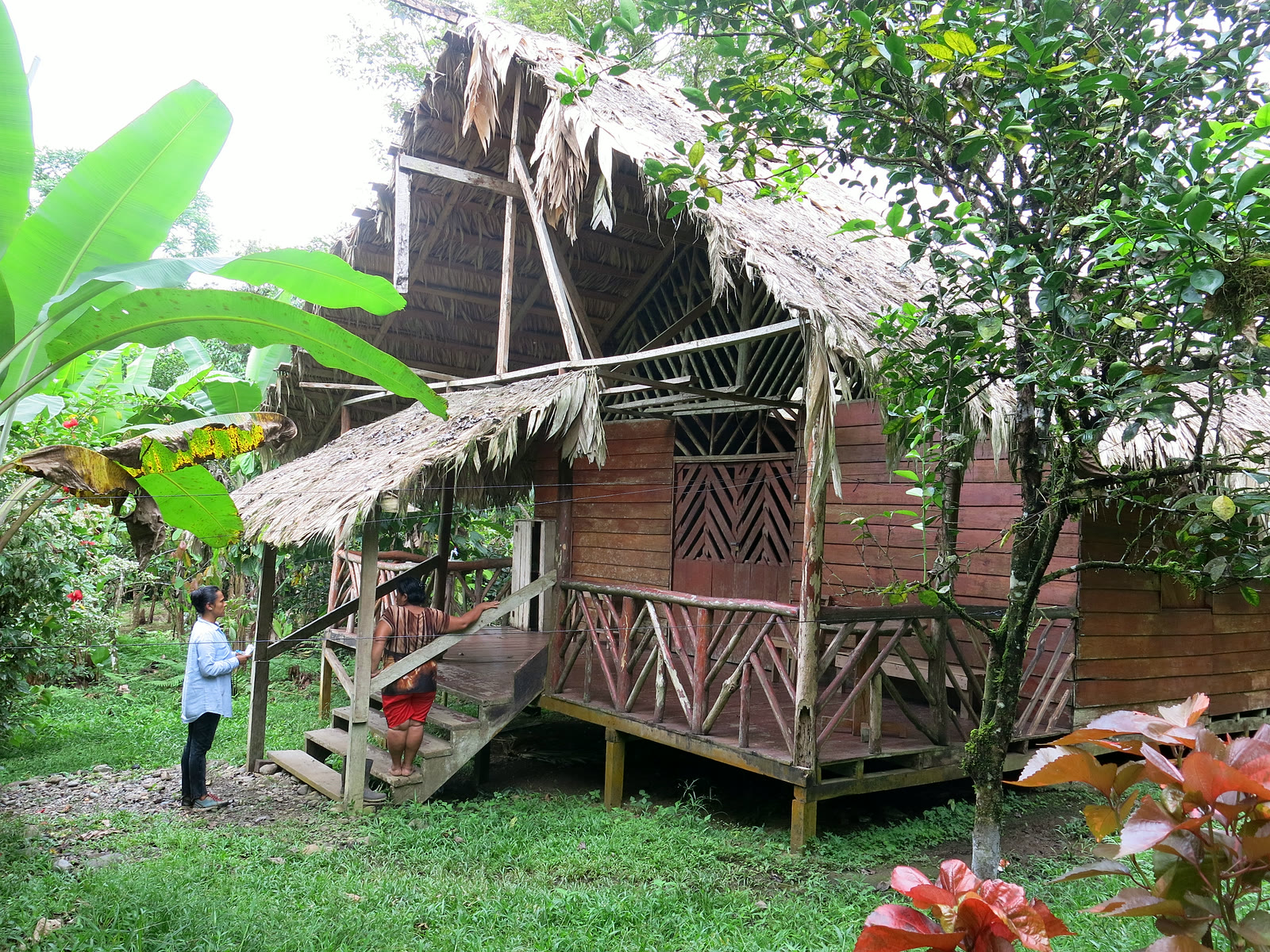
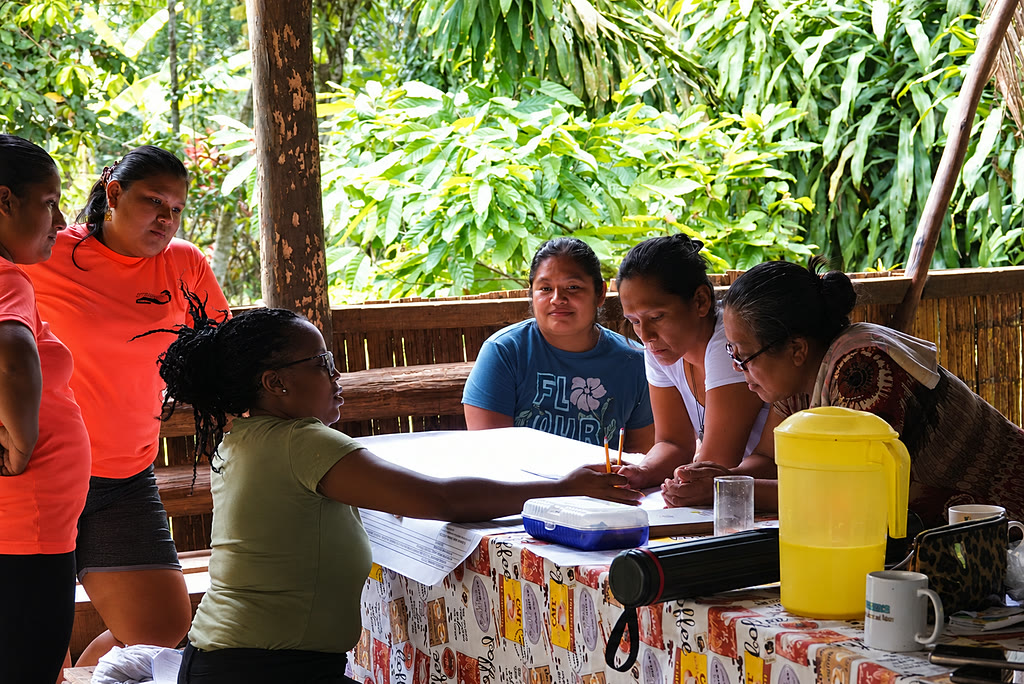
The transition from handicrafts to community-based tourism required determination, training and cooperation.
With support from partner organizations, Stibrawpa members developed new skills in leadership, administration, tourism and hospitality4.
Over time, the initiative expanded its facilities and created new opportunities for residents to participate.
The project was about more than receiving visitors. It was about keeping economic activity rooted in the community and creating a future in which families could remain connected to their land.
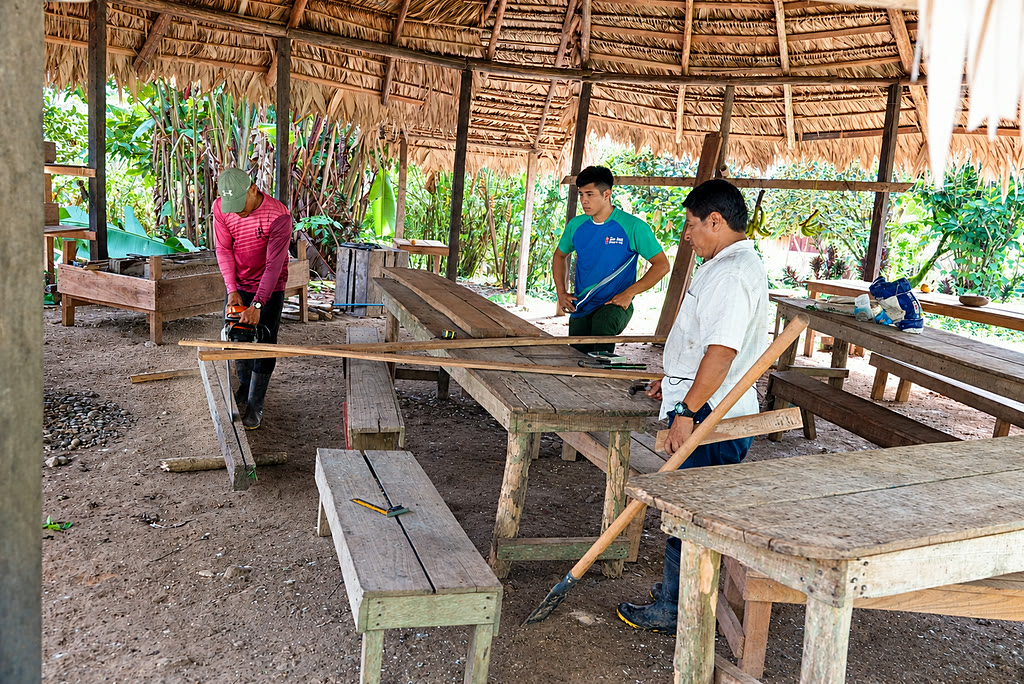
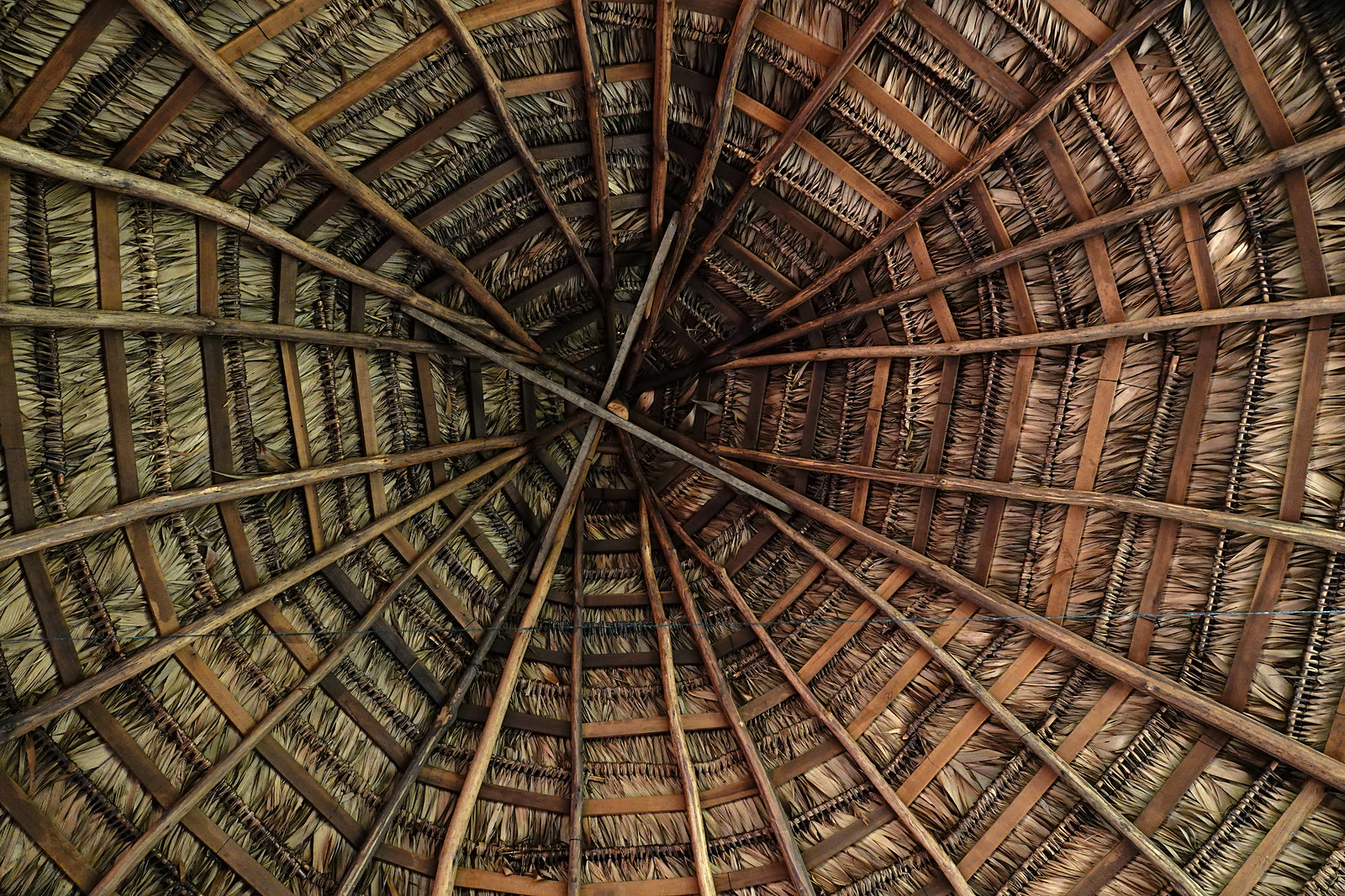
Building, thatching, learning
- 1980sA fungus ruins the cacao harvests; many men leave to work on banana plantations
- 1992Three women from Yorkín found the association
- 1990s5Crafts made in Yorkín are sold in Puerto Viejo and Cahuita
- Then5Yorkín welcomes its first visitors; members train in leadership, administration and tourism
- 2008A great flood takes away almost all of Stibrawpa’s buildings
- TodayCommunity-based tourism, led by the people of Yorkín
Rebuilding after the flood
Late 2000s6Yorkín, Talamanca
A severe flood in the late 2000s damaged essential infrastructure in Yorkín, including facilities used by Stibrawpa.
For the association, it was a major setback.
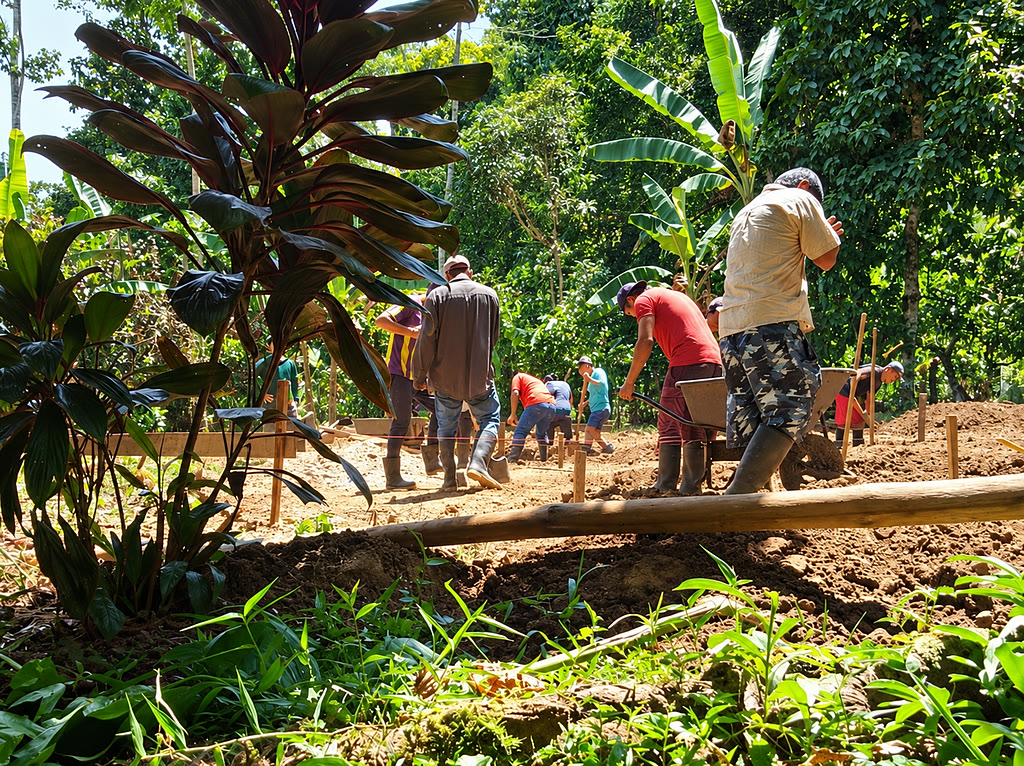
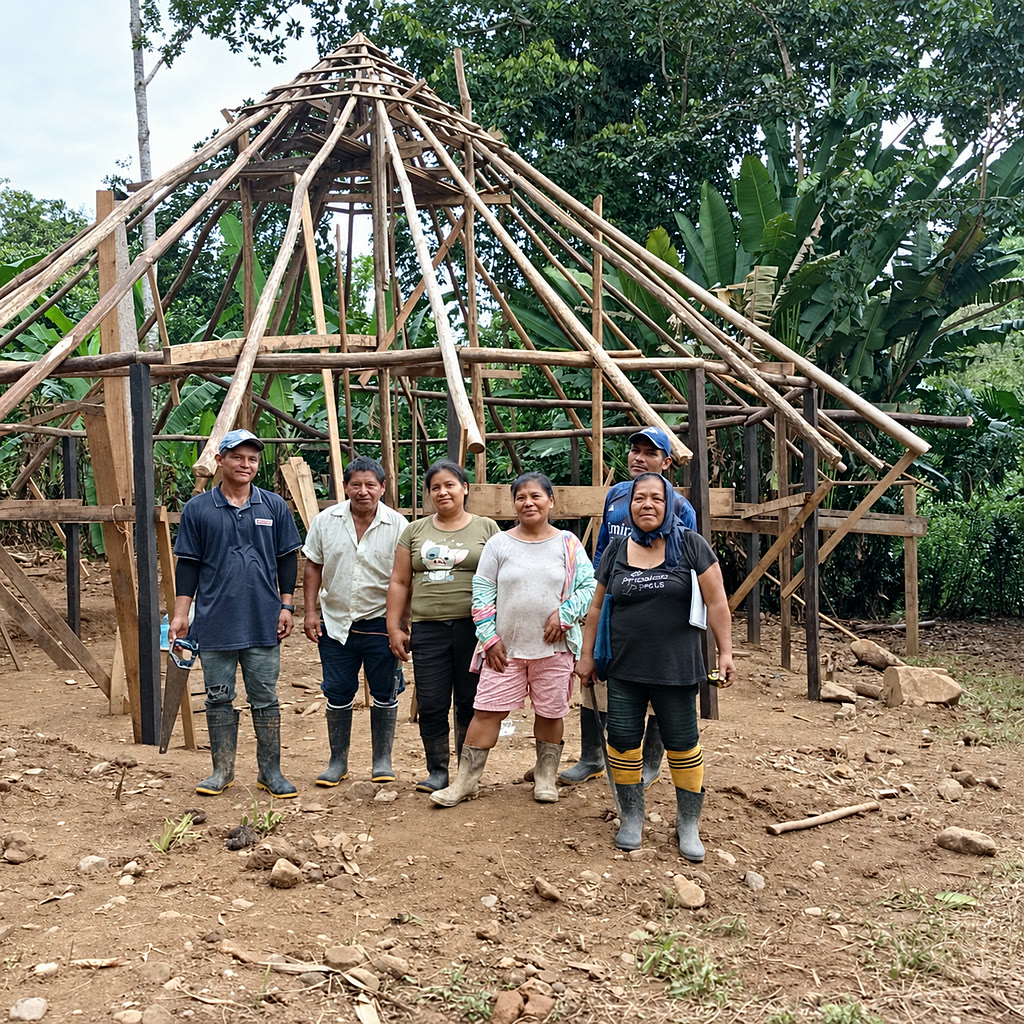
But the community worked with supporters and partner organizations to rebuild. Recovery efforts also extended to infrastructure important to village life, including water and healthcare facilities.
The experience demonstrated both the vulnerability of a remote rainforest community and the strength of its collective response.
Building together again
More than tourism
Stibrawpa’s purpose has never been limited to organizing visitor experiences.
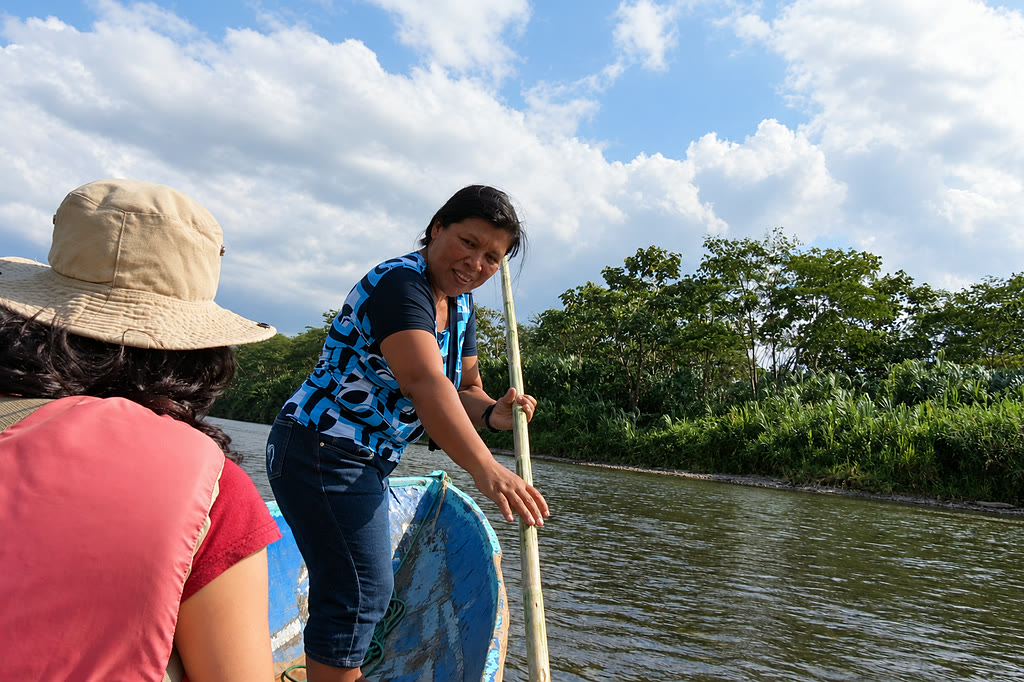
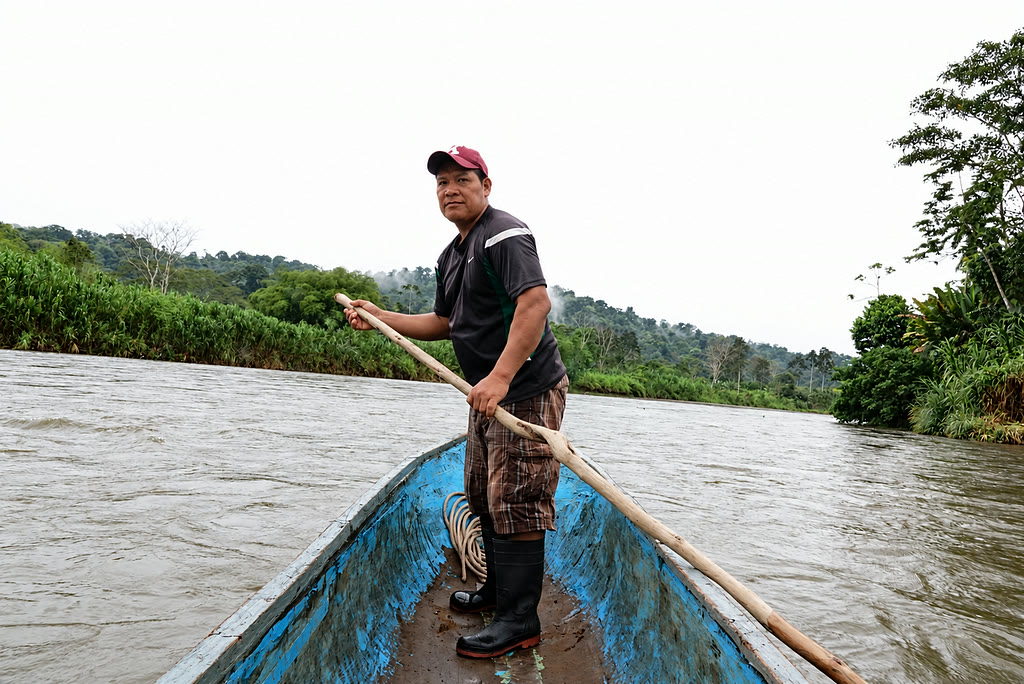
Community-based tourism creates opportunities for different people to contribute as guides, boat operators, cooks, hosts, farmers and artisans.
The association also works to maintain a connection between economic activity, cultural preservation and care for the surrounding rainforest.
Its story shows how a locally led initiative can support livelihoods while helping preserve the knowledge and identity of a community.
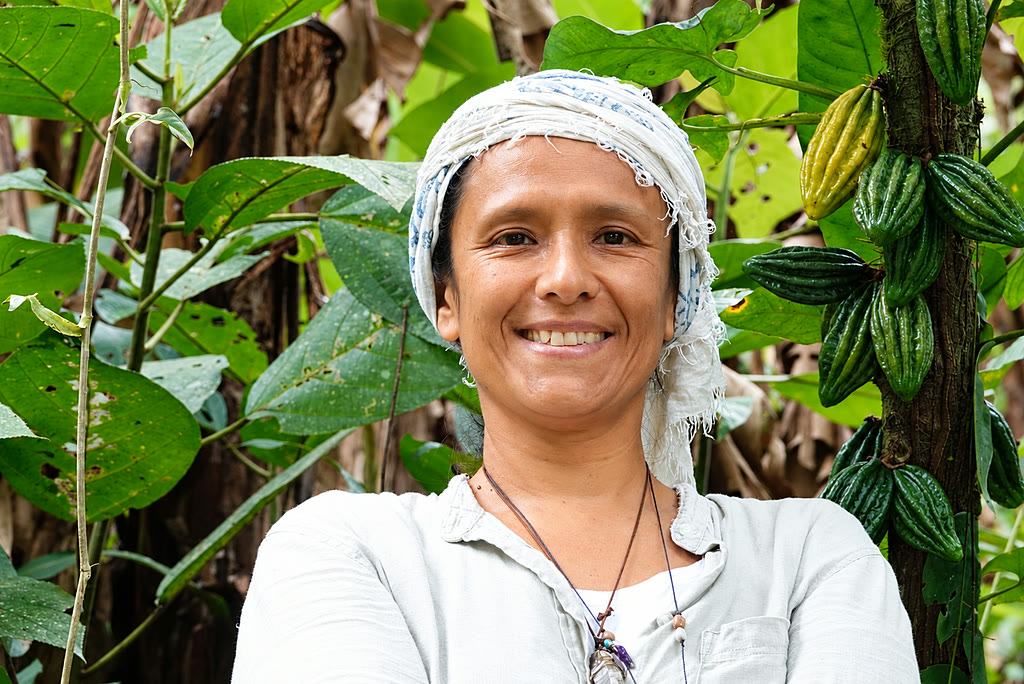
“We had three major ideas to focus on: the rainforest, the culture, and the economy.”
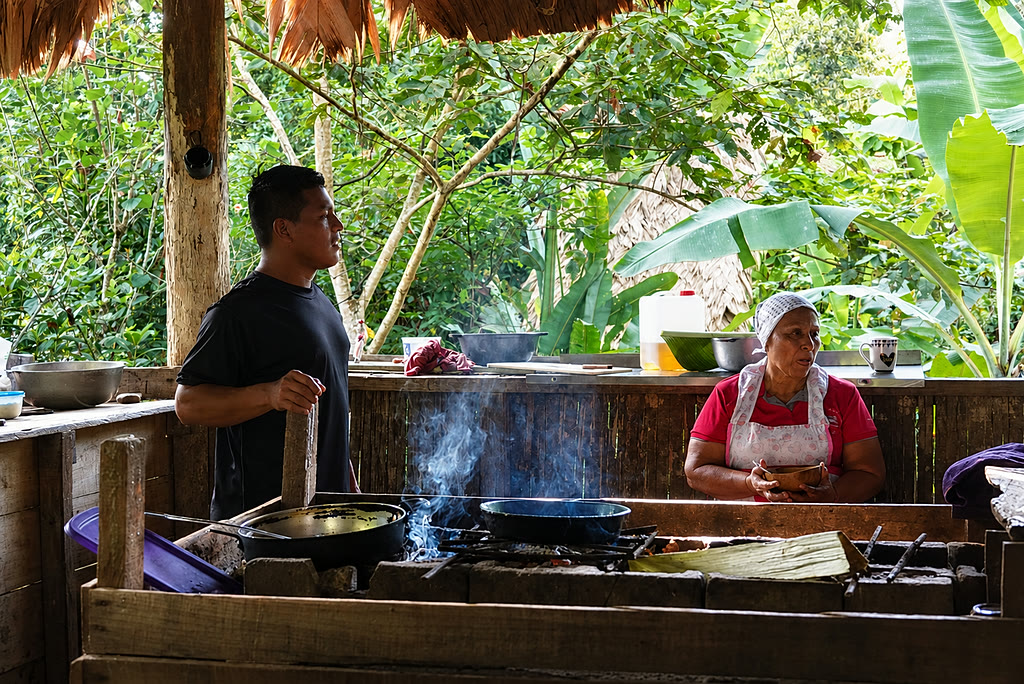
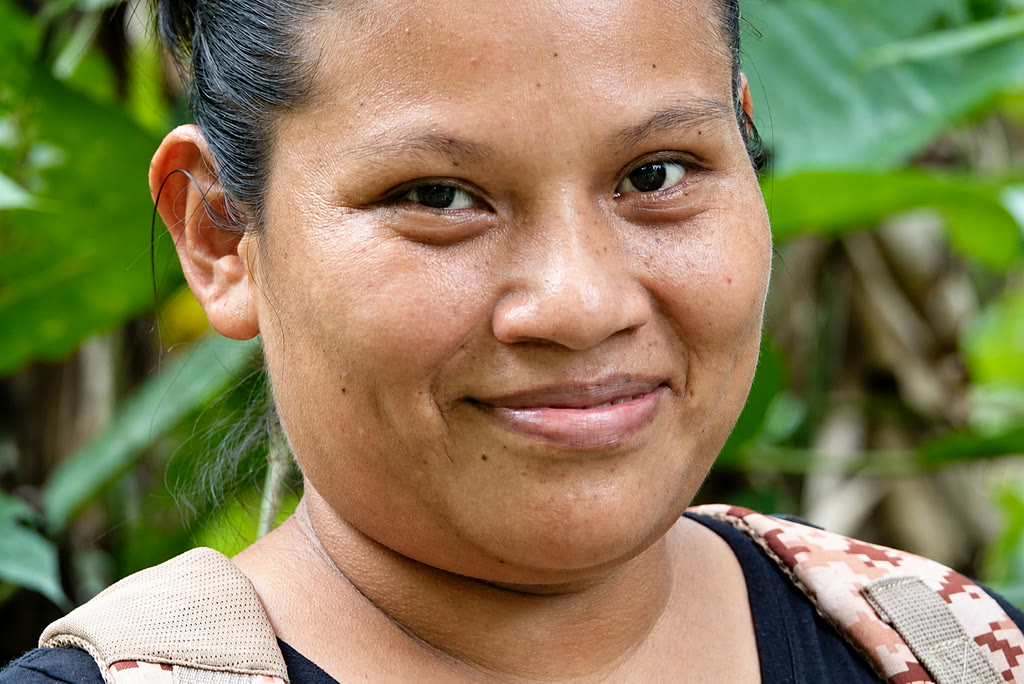
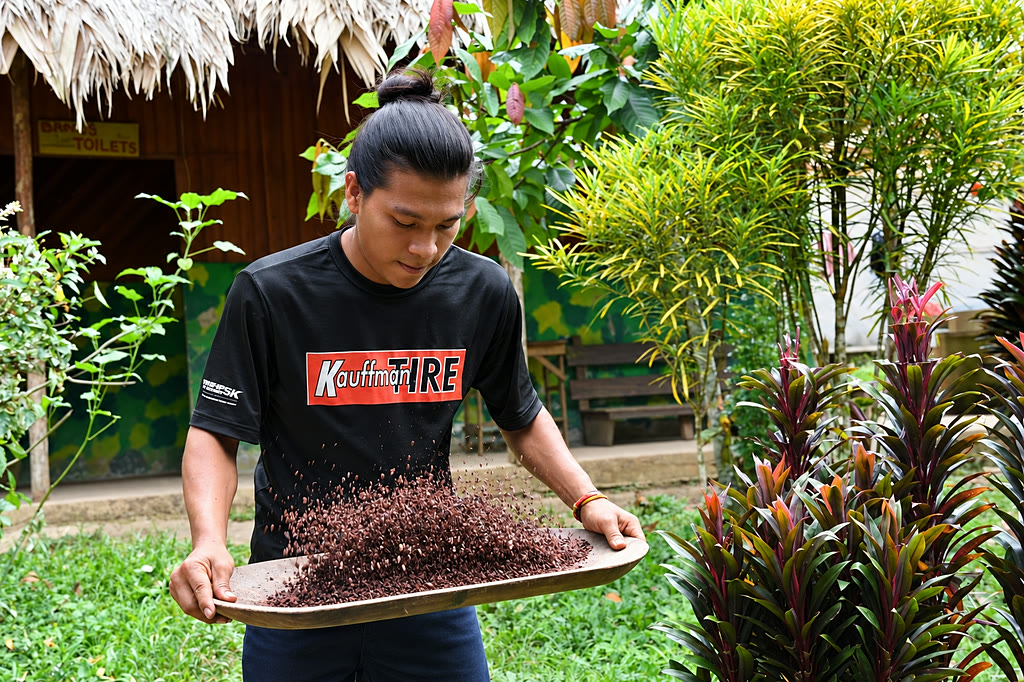
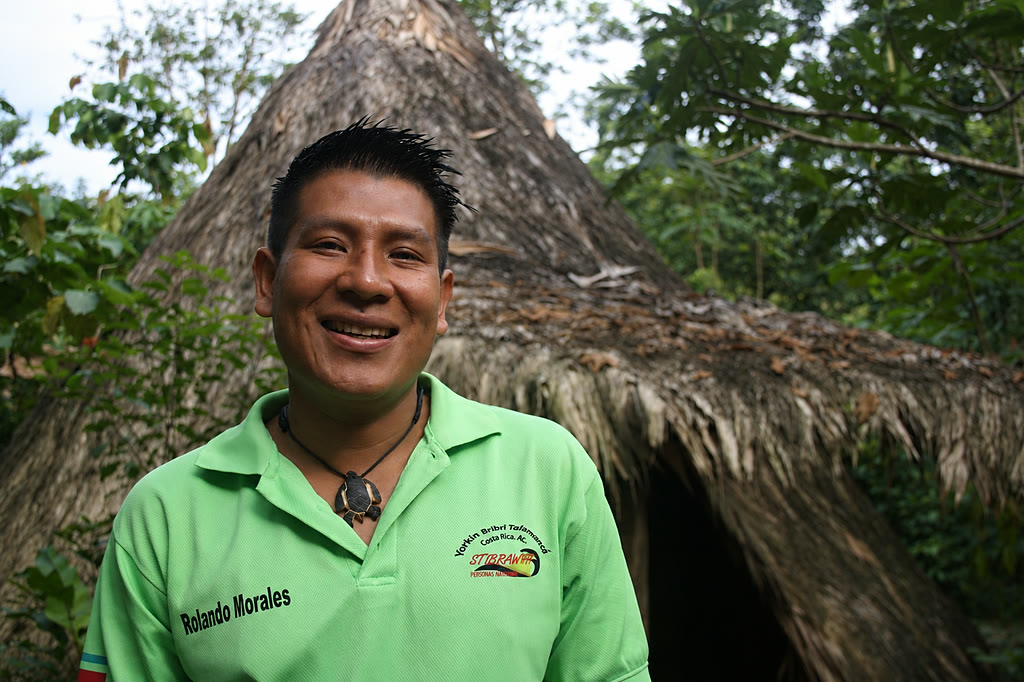
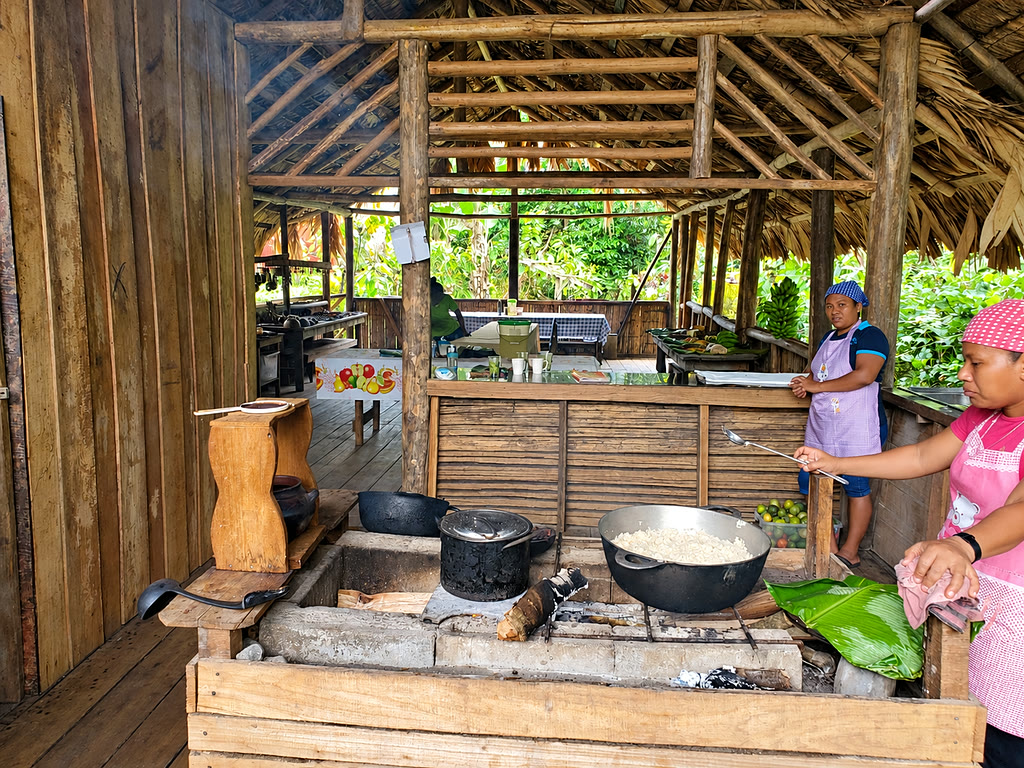
Words of a guide, a boat operator or a cook, in their own voice
At work in Yorkín
A living story
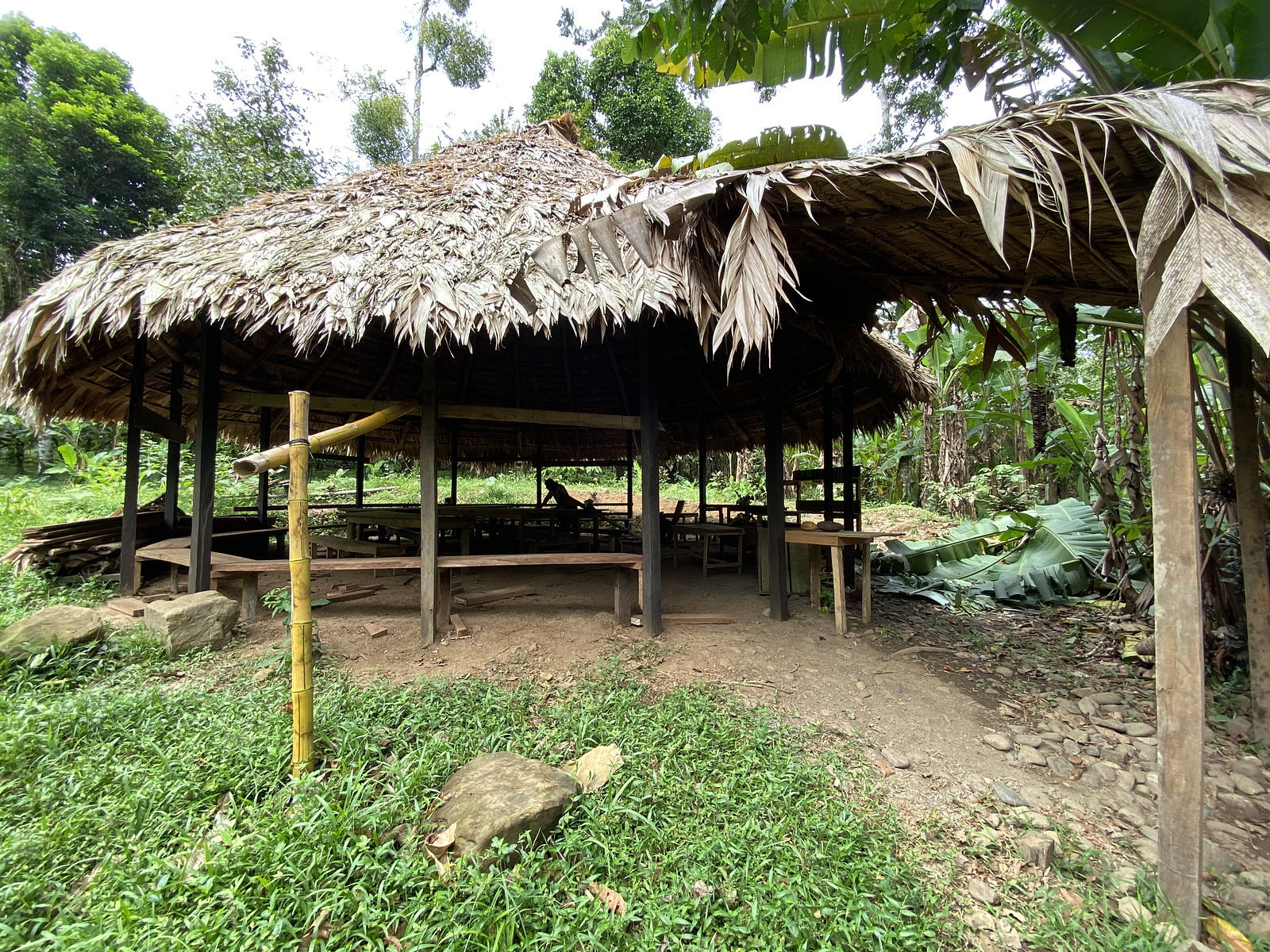
Today, Stibrawpa continues to connect visitors with the people and environment of Yorkín.
Its work carries forward the determination of the women who began the association and the collective efforts of the families who helped it grow.
How the community works together9
- Local guides sharing their knowledge
- Boat operators connecting the community
- Families preparing traditional meals
- Local hosts welcoming visitors
- Artisans preserving traditional skills
“Protect biodiversity. Boost our economy. Strengthen our independence.”
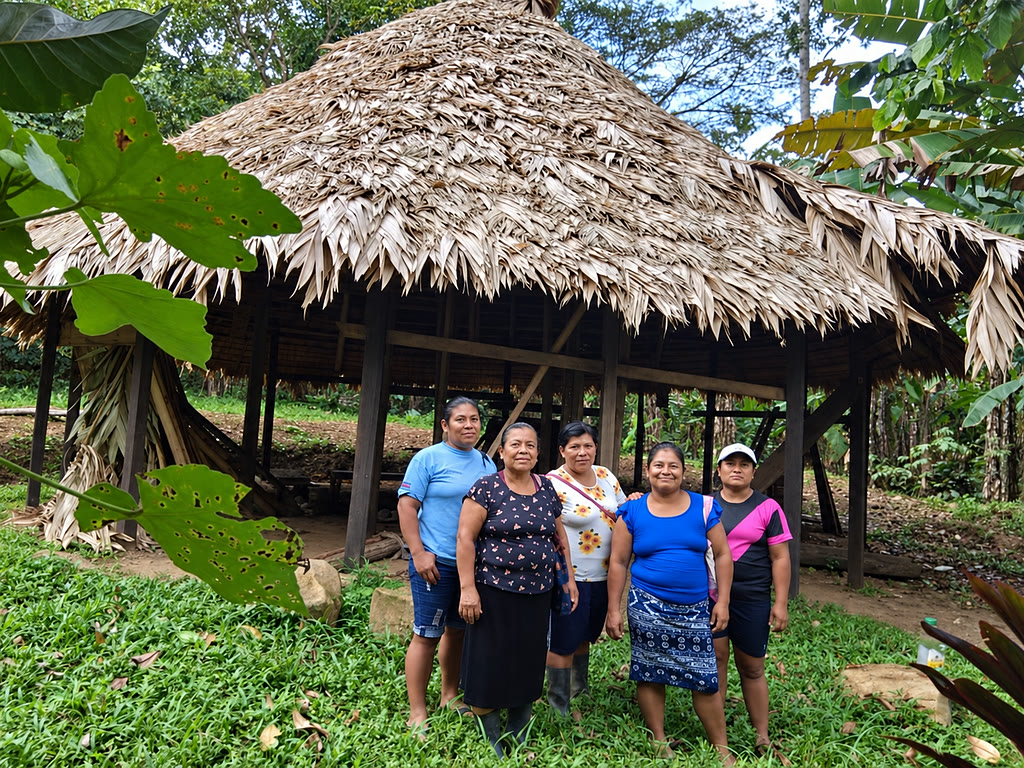
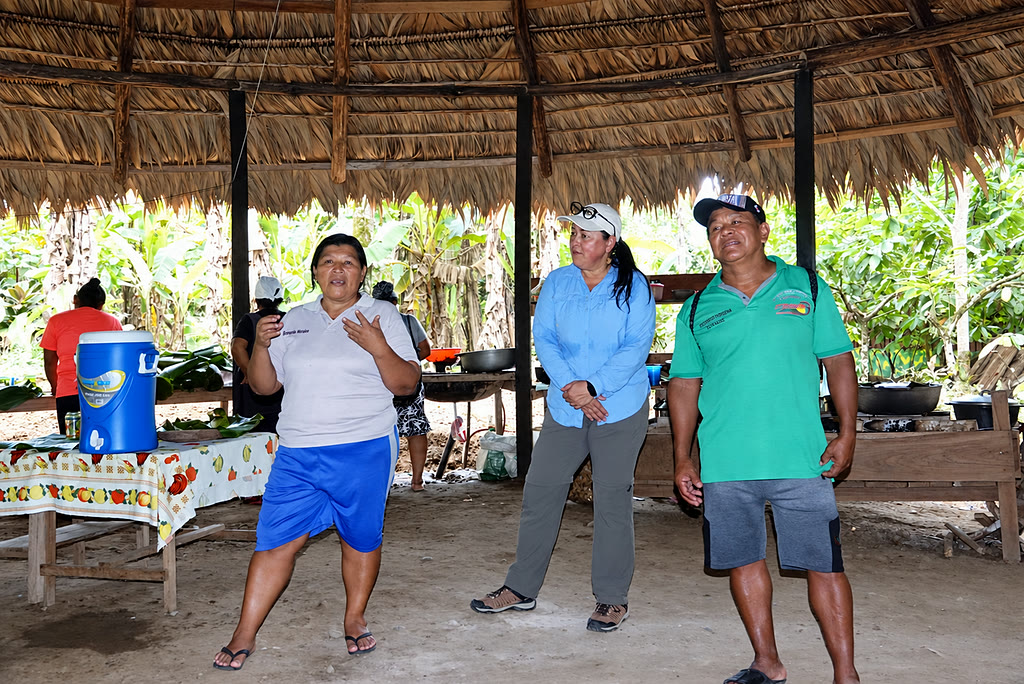
Yorkín today
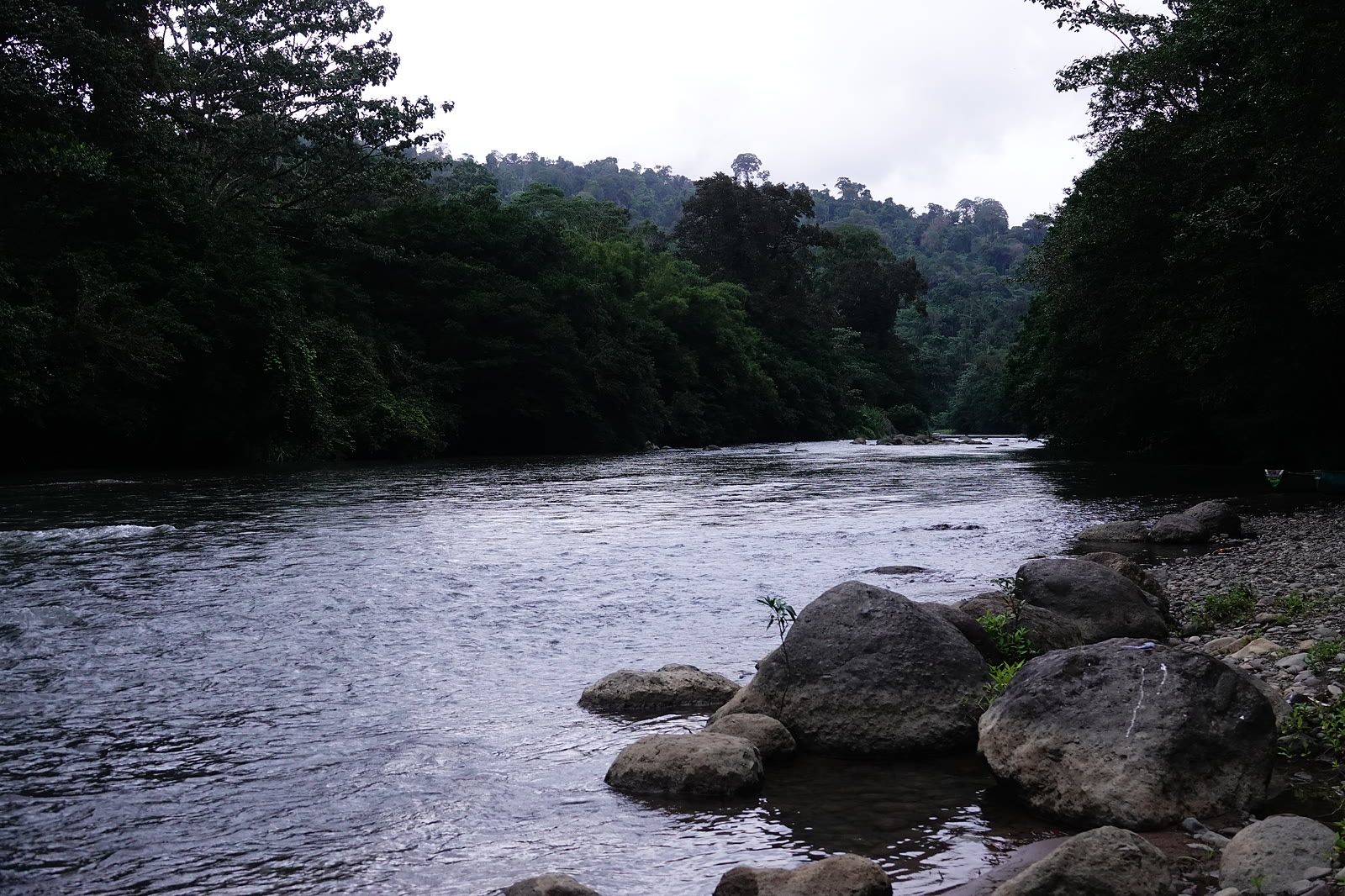
The story continues.
The story is not finished. It continues in the everyday lives, decisions and aspirations of the community.
A future shaped by its people.